

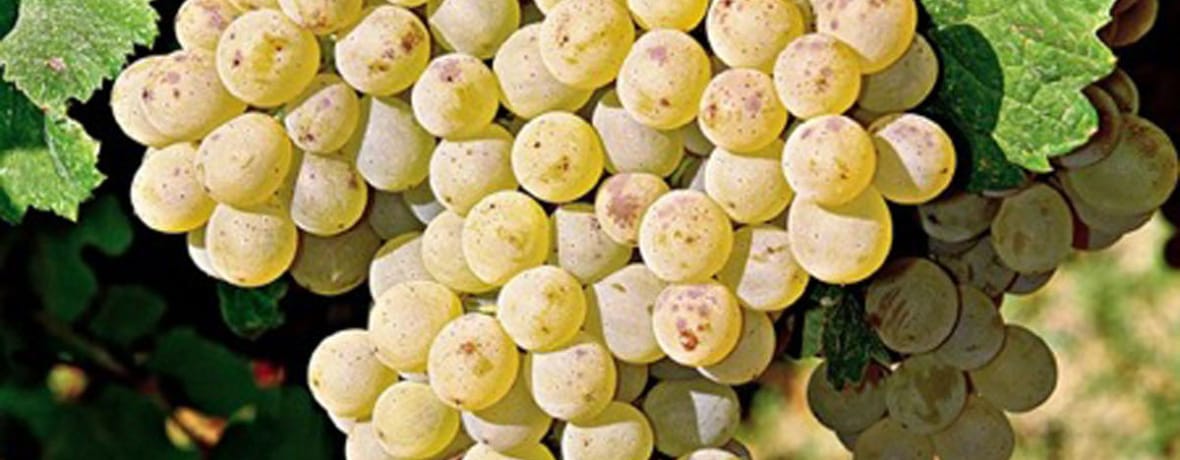
Today I want to talk about white wine varieties, which are the hallmark of the island.
1. Vilana.
Everyone who is partial to wine has tried it either in a hotel, in a tavern, or during tasting tours. The history of this variety goes back to the distant past, which is not calculated in centuries, but maybe even in millennia. Vilana is a surprisingly light, dry summer wine with a pleasant aroma and pleasant aftertaste. The first time I saw the color of this wine – I couldn’t believe my eyes – it was a light greenish color! But of course, experts will not say so simply and tritely. They coined the term – the color of an unripe lemon! This color is Vilana’s calling card. Many sommeliers will tell you about the fruity aroma, strong and delicate aftertaste…..but this is all individual. After all, each person has their own taste buds! That’s why I don’t like it when sommeliers start telling me about the taste of forest juniper after a March thunderstorm on the eastern slope of a pine forest. The wine is suitable for summer evenings, when the sun sets behind the nearby mountains and the evening freshness comes from the sea. This is when you should enjoy a glass of this wine, sitting on the balcony, in combination with various fruits.
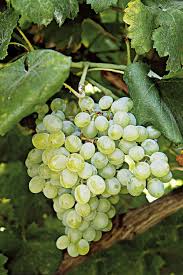
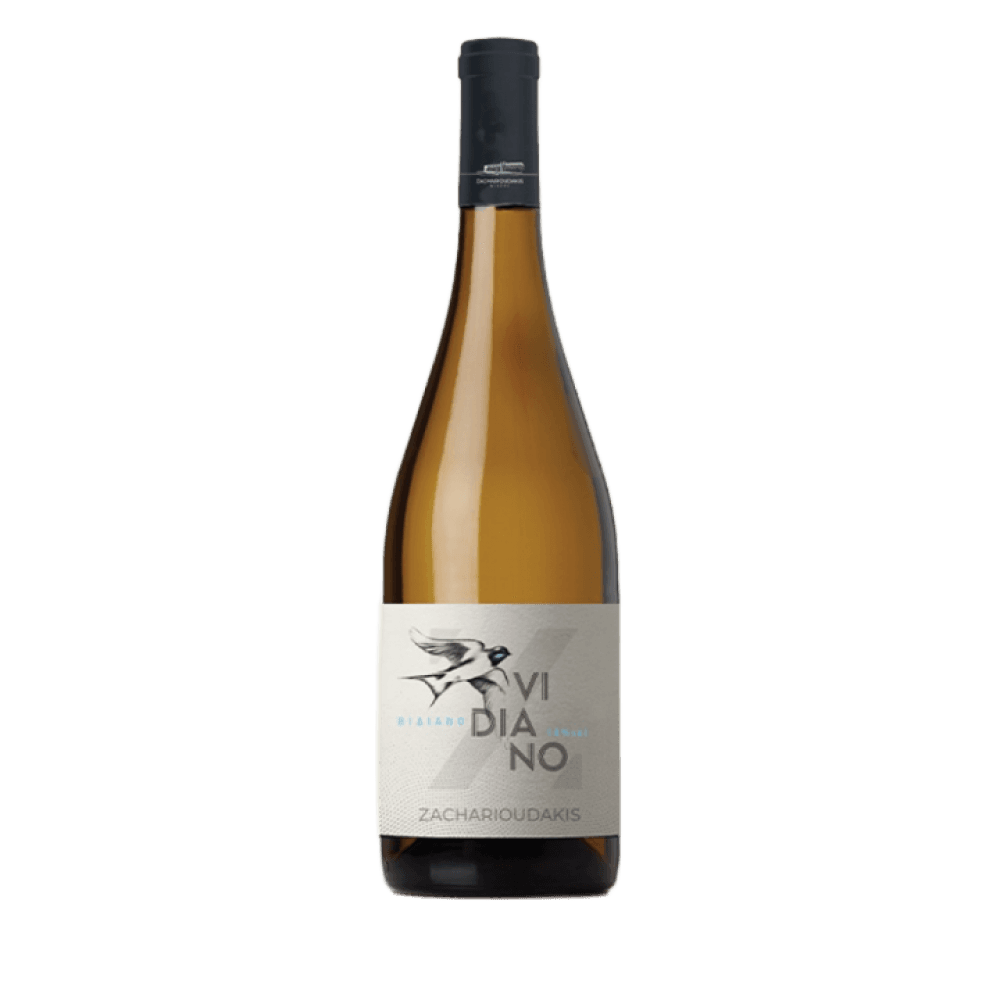
2. Vidiano.
This is another Cretan variety of dry white wine. Not as light and aromatic as Vilana, it is more suitable for Cretan hard cheese and seafood. But this wine has its own charm – this is the spirit of Crete – simple, tasty, unpretentious, but with its own mystery, like the island itself, and this wine makes you fall in love with it from the first sip.
3. Thrapsathiri
This grape variety was bred from Vidiano, apparently someone didn’t like the simple taste and created a lighter dry white wine. I can’t say anything special. Something between Vilana and Vidiano. It didn’t make an impression on me. Thrapsothyri goes well with Cretan cheeses.
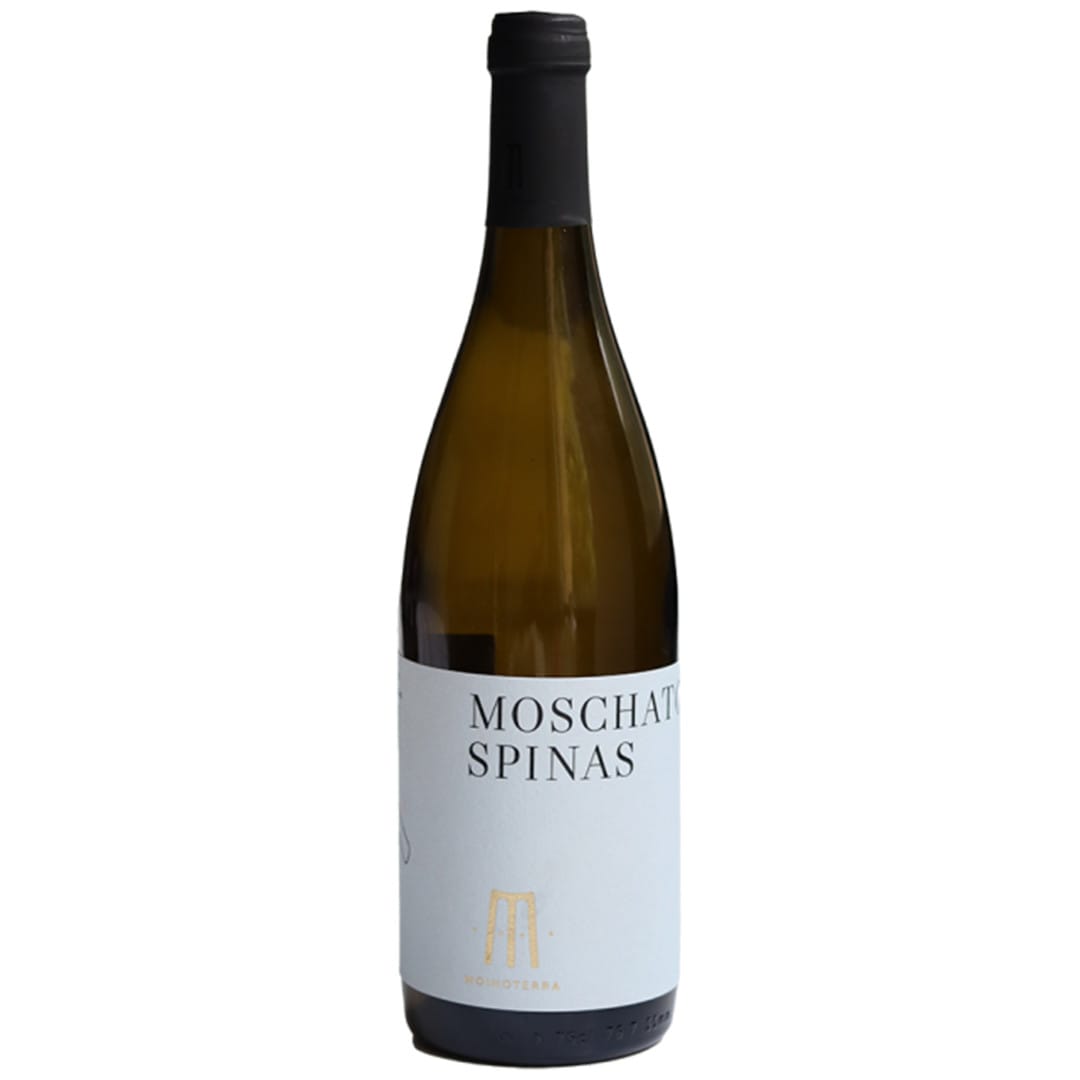
4. Dry Muscat of Spina.
This grape variety is known mainly in the west of the island, as it was cultivated in the small mountain village of Spina, south of Chania. The wine is white, dry, heavy and very rich in different aromas. Therefore, most often this Muscat can be found in a bouquet with other wines.
5. And finally, the wine, the name of which thundered in the Middle Ages, people paid crazy amounts of money to try a glass, but because of its high cost, this wine was available only to members of the nobility. Tsar Ivan the Terrible drank a glass of this nectar every evening before going to bed, according to the recollections of Fletcher, the English ambassador to the tsar’s court. The English king Henry VIII ordered that no expense be spared in purchasing barrels of this overseas wine from Venetian merchants. By the way, the monopoly on its sale belonged exclusively to the Venetian Republic. Many writers and poets of that time sang his praises. After the decline of the power of Venice in the 17th century, the grape variety from which this legendary wine was made was exported from Crete to Croatia, Italy, and Spain. And from an exclusive variety, this drink became an ordinary wine. In different countries it was called differently – MalvAsia, MalvasIya, MalvAshu, etc. Even now, sometimes you can hear from some guides in these countries that Malvasia is Croatian, Spanish, Italian wine. But! In fact, this grape variety was created in the Malevesiou valley in Crete and that is why the variety has its name. It is known that in order to bring down commercial spies (yes, yes! There were such people in the Middle Ages. They were paid huge amounts of money by the rulers of various European countries, if only they would find out where the Venetians were bringing malvasia to Europe), the Venetians loaded wine in the port of Candia (Heraklion) onto ships, then reloaded them in Rethymnon and changed the tags, then changed the ships and tags in La Canea (Chania) and upon arrival in Venice, We changed all the documents again. Today Malvasia is a light semi-sweet wine. I cannot judge how comparable the taste of modern wine is to the wine for which people went crazy in the Middle Ages.
Of course, Crete has many other local wine varieties. Each variety has its own history, its own development, its own taste and its own admirers, but it is impossible to talk about all Cretan wines in one article.
No responses yet