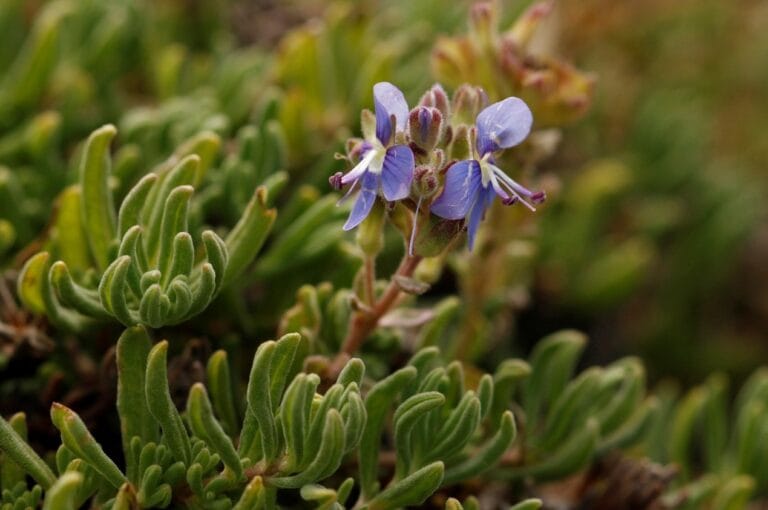
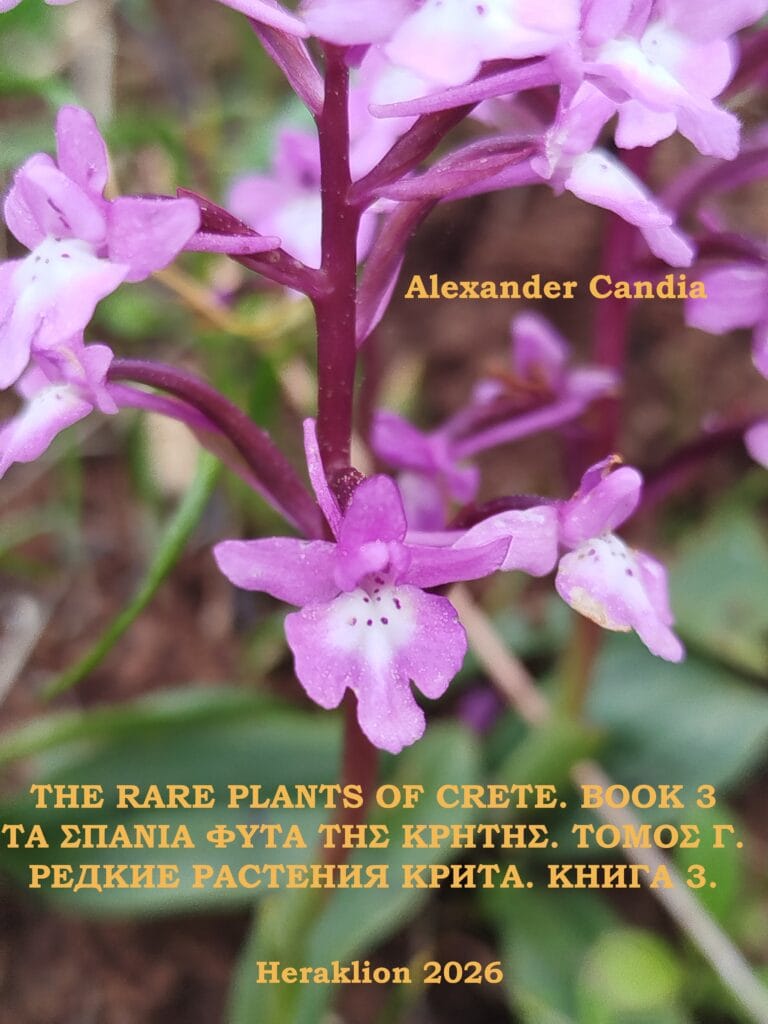
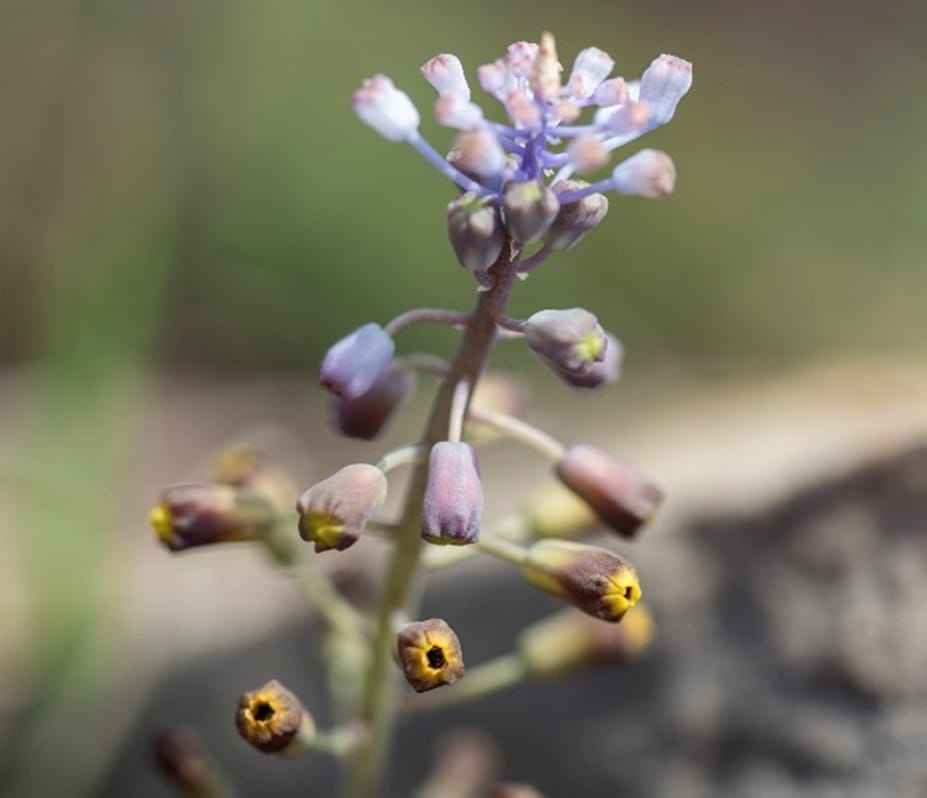
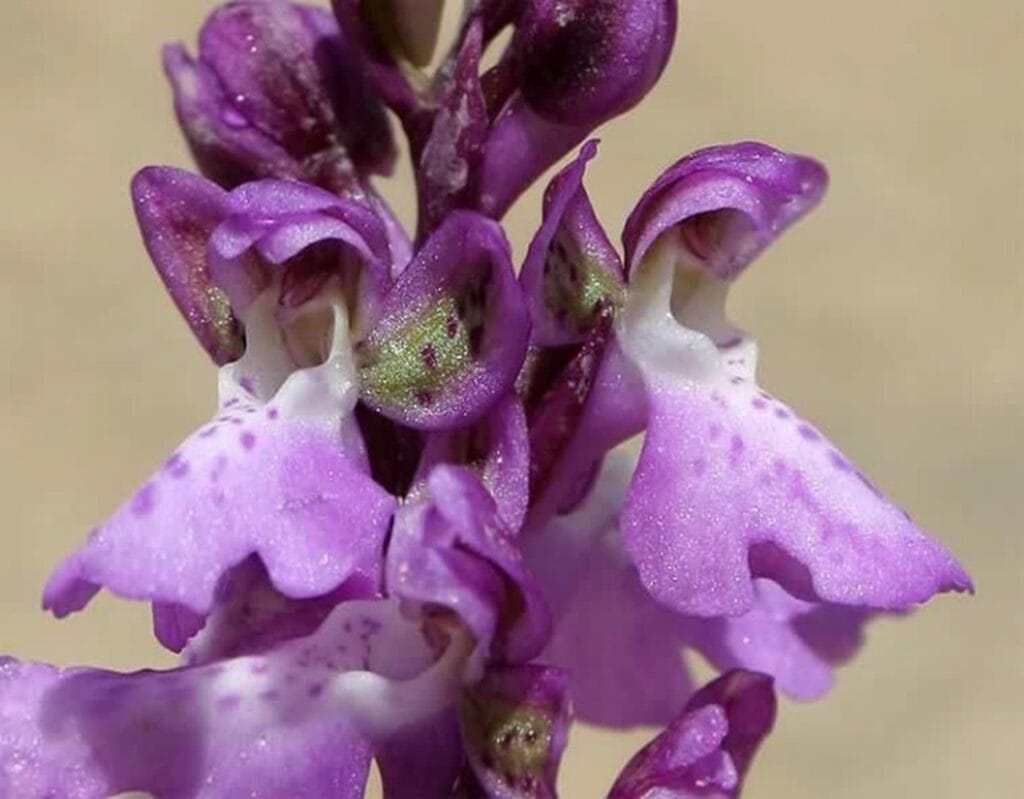
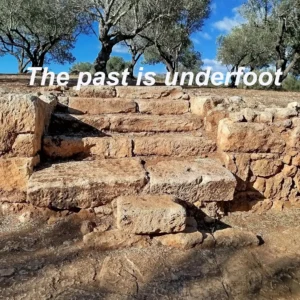
This book is a fascinating exploration of the unique and often overlooked plant life of Crete, one of the most botanically rich islands in the Mediterranean. It highlights the island’s rare and endemic species—plants that exist nowhere else in the world—shaped by Crete’s diverse landscapes, from rugged mountains and deep gorges to coastal cliffs and fertile plains.
Through detailed descriptions, photographs, and scientific insights, the book introduces readers to the beauty, adaptations, and ecological importance of these plants. It also explores the environmental pressures they face, including climate change, habitat loss, and human activity, emphasizing the need for conservation.
Blending natural history with cultural context, the book often connects these rare plants to local traditions, herbal medicine, and the history of the island. It is both an informative guide for botanists and nature enthusiasts, and an inspiring tribute to Crete’s extraordinary biodiversity.
Phytopharmaceutical Properties of Cretan Plants and Their Traditional Uses
The island of Crete is renowned for its exceptional biodiversity and long-standing relationship between humans and nature. For centuries, the people of Crete have relied on wild and cultivated plants not only for food, but also for their phytopharmaceutical properties—natural compounds that promote health and help prevent or treat disease.
Cretan flora is rich in bioactive substances such as essential oils, flavonoids, phenolic compounds, and antioxidants. These compounds give many native plants antimicrobial, anti-inflammatory, antioxidant, and digestive properties. For example, herbs like Origanum dictamnus (dittany of Crete) were traditionally used to heal wounds and soothe stomach ailments, while Salvia fruticosa (Cretan sage) has long been valued for its antiseptic and calming effects.
In ancient times, the knowledge of medicinal plants was deeply rooted in daily life and often passed down orally through generations. The influence of Hippocrates and later Greek herbal traditions shaped how plants were used therapeutically. Infusions, decoctions, poultices, and oils were commonly prepared using simple techniques, allowing people to treat a wide range of conditions—from colds and digestive disorders to skin injuries and infections.
Mountain tea, derived from species such as Sideritis syriaca, was widely consumed to boost immunity and combat respiratory illnesses. Similarly, thyme, rich in thymol, served as a powerful antiseptic and was used both internally and externally. Many of these plants were also integrated into rituals and cultural practices, reflecting a holistic approach to health that combined physical and spiritual well-being.
Importantly, the traditional use of these plants aligns with modern scientific findings. Contemporary research confirms that many Cretan herbs possess significant pharmacological potential, supporting their continued use in herbal medicine and natural product development. However, increasing environmental pressures and overharvesting highlight the need for sustainable practices to preserve this valuable botanical heritage.
In essence, the phytopharmaceutical richness of Cretan plants represents a bridge between ancient wisdom and modern science, demonstrating how traditional knowledge can continue to inform and inspire current approaches to health and medicine.