Sea
The island of Crete is located in the middle of the Mediterranean Sea. Its northern coast is washed by the Cretan Sea, and its southern coast by the Libyan Sea.
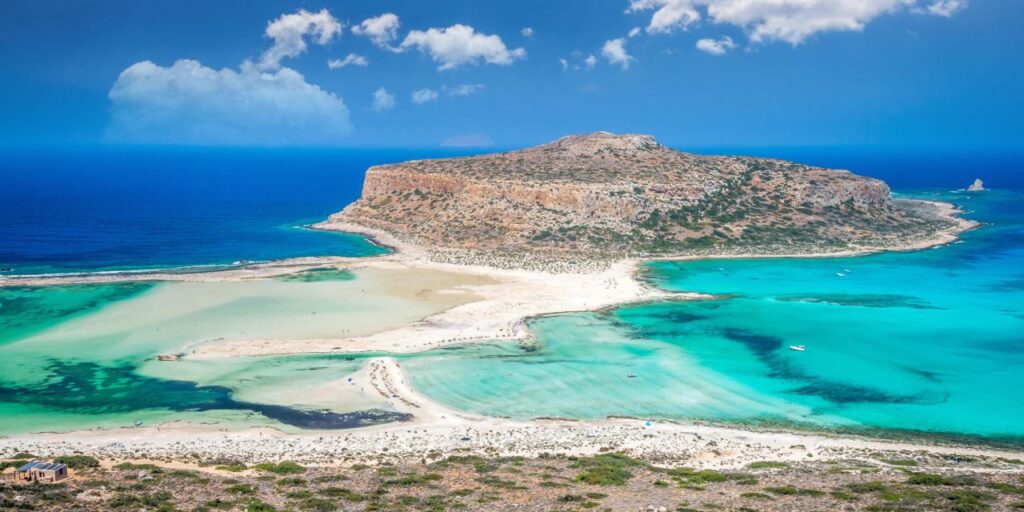
The island’s coastline offers visitors beautiful sandy beaches, secluded pebble coves, and rocky mountains jutting into the sea.
The lagoons of Elafonisi, Balos, and Falasarna Beach are world-famous, as are the uninhabited islands with their deserted sandy beaches of Chrissi and Koufonisi.
Mountains
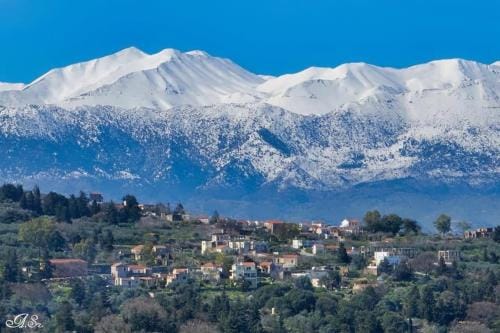
Crete is a mountainous island with several mountain ranges.
Three of them are located in the center of the island, dividing it into two climatic zones.
The highest mountain, Psiloritis, rises to almost 2,500 meters above sea level.
High in the mountains, Cretans hid from invaders, surviving in harsh conditions.
Today, traveling through the mountain villages, you can witness the traditional way of life of the locals.
Canyons
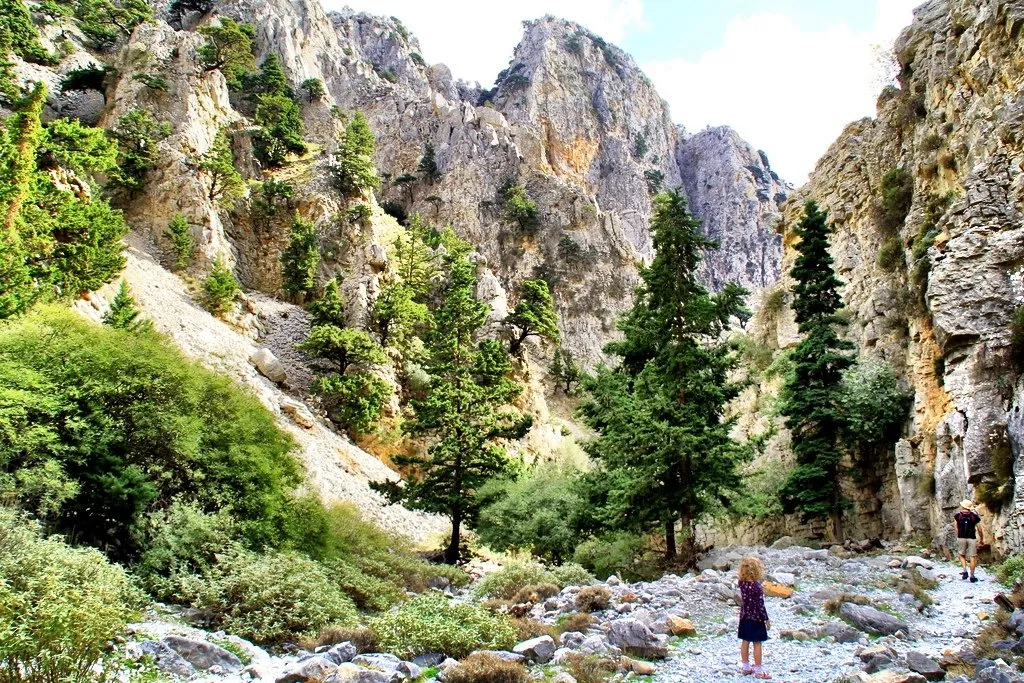
Crete is composed of limestone and sandstone. Thousands of years of wind, rain, and streams have carved out crevices, channels, and gorges.
Many gorges attract visitors with their accessibility, including Kourtaliotiko, Kotsifou, Imbros, Samaria, Preveli, and Sarakina.
Every year, thousands of tourists explore the island’s gorges to experience the island’s wild nature.
Caves
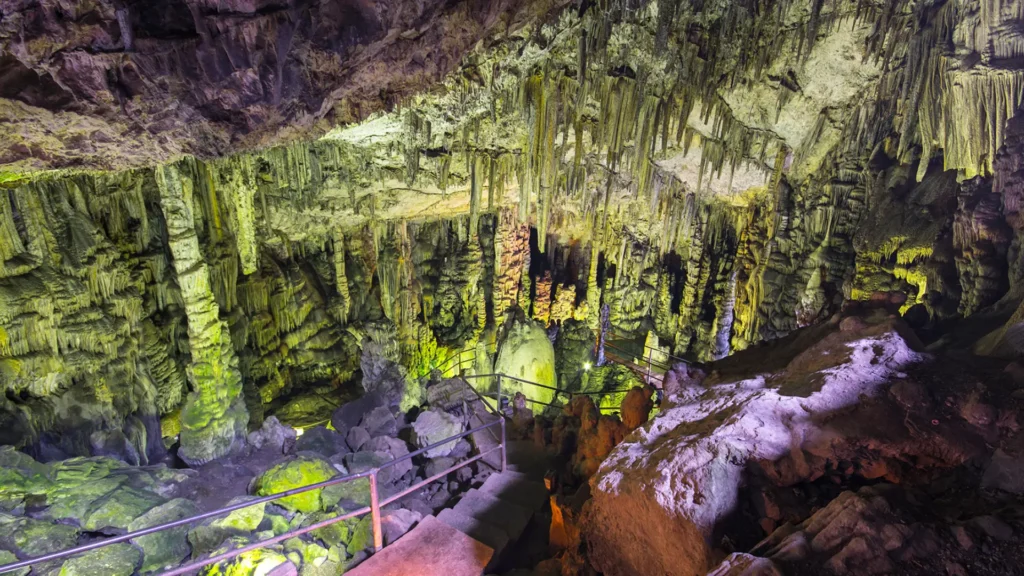
More than 2,500 caves have been discovered on the island, which have been inhabited since prehistoric times.
Today, most of these caves attract visitors with beautiful stalactites and stalagmites and deep underground chambers.
The most famous caves are Dikti Andron, Ideon Andron, Melidoni, Zoniana, and Milatos.
Plains and Highlands
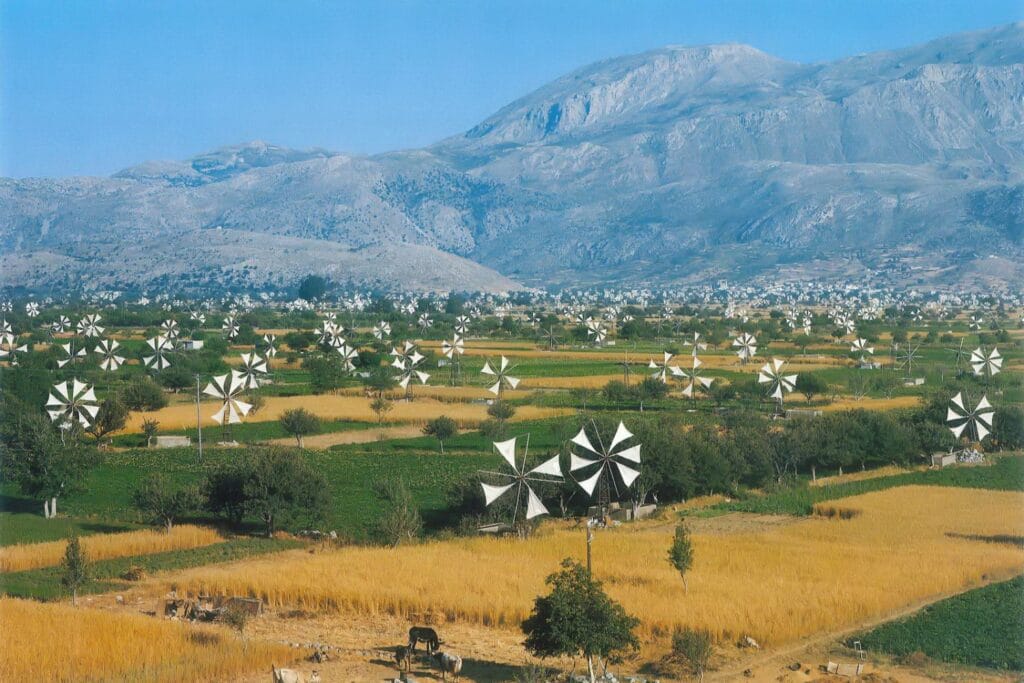
Valleys and plateaus are scattered between the island’s rugged, high mountains. The largest valley on Crete is the Messara Valley. People have lived here for 6,000 years. Thanks to the fertile soil, locals harvest vegetables twice a year. Besides Messara, the island boasts many other fertile valleys and high plateaus where industrious people lived many centuries ago.