Here, I would like to present you a brief history of the Island. You will see how many different civilizations passed from this rocky island within last 4.000 yrs, leaving their traces and culture here.
Let’s start with historical timeline of Crete.
The Prehistorical Times
from 6.5 mln yrs ago till 3.000 BCE
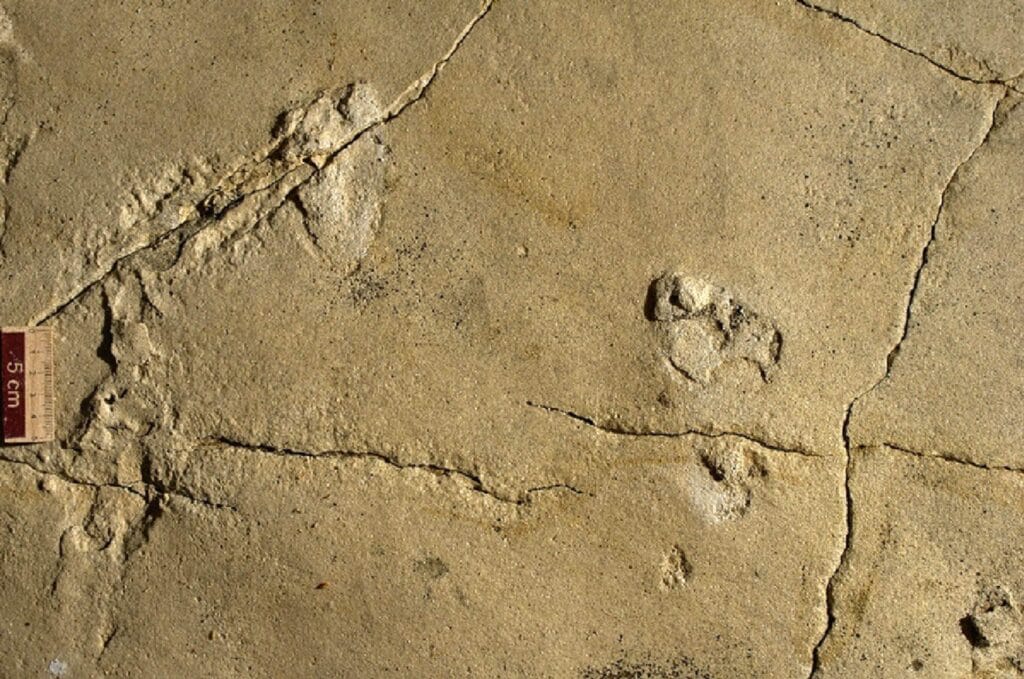
Just recently, near Kissamos, scientists discovered fossilized footprints of Homo erectus, dating back 6.5 million years. These are the oldest Anthropithecus footprints in the world. Prehistoric people lived in caves on Crete and were hunters, fishermen, farmers, and shepherds. These people prayed to Mother Nature and various spirits, and made very crude pottery.
Today, traces of prehistoric people, as well as animals that inhabited the island at that time, are found everywhere.
The Minoan Civilization
3.000 BCE – 15 cent. BCE
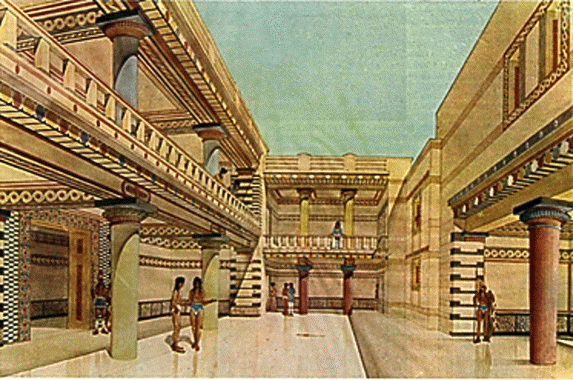
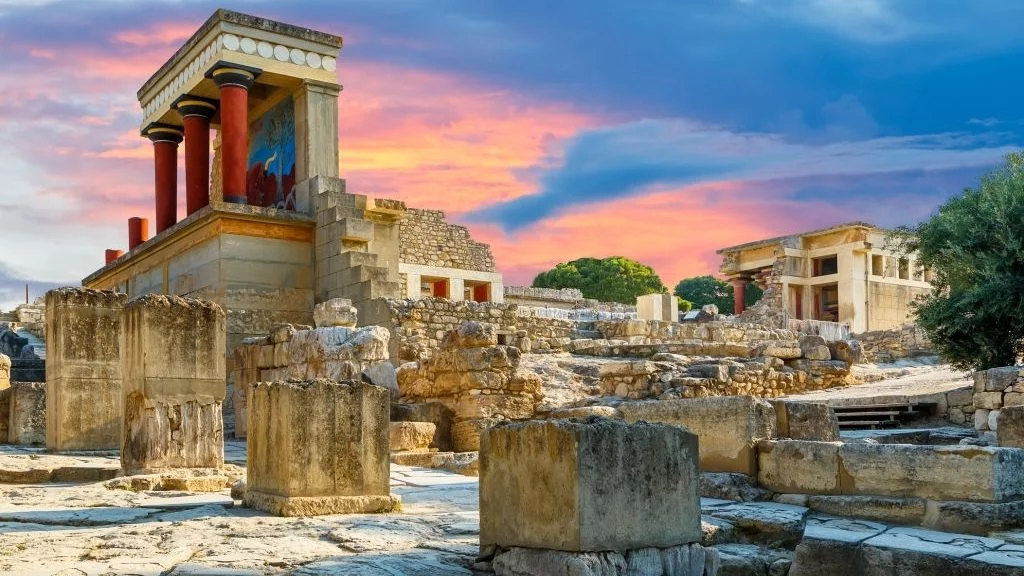
Tribes from Anatolia arrived on the island of Crete approx. 3000 BCE . In a very short time, they established a powerful civilization, known as the Minoan civilization. The inhabitants called themselves Kaftiu and their island, Kaftor. Many rich and beautiful palaces, temples, and villas for local nobility were built on the island. Cretan ships sailed throughout the Mediterranean. The people living on the island at that time possessed remarkable knowledge and lived in harmony with nature and their neighbors, such as Egypt, Syria, and Cyprus.
The Mycenean Period
15 cent BCE – 11 cent BCE
After a catastrophic volcanic eruption on the island of Thera in the 15th cent. BC, Cretan statehood was destroyed. Many islanders fled to other, more safety places. The same time, the Mycenaeans arrived on Crete—from the powerful city of Mycenae in the Peloponnese.
The Mycenaeans restored Cretan statehood, subjugated the local inhabitants, and became the rightful owners of the island.
The first ruler of Mycenaean Crete was King Minos.
The Dorian Invasion
11 cent BCE
After the Trojan War, the Mycenaeans were weakened. Warlike newcomers from the northern lands, the Dorians, began to penetrate the island. At first, they settled in the mountains in their own settlements, trading with the locals, but then they conquered the island, destroying many settlements and killing many people. Economic development slowed significantly. People stopped producing art. Many islanders were forced to flee to the mountains and live in harsh conditions there, while the Dorians seized the best fields and pastures.
Crete joined the world of Ancient Greece.
The Hellenistic Period
8 cent BCE – 1 cent BCE
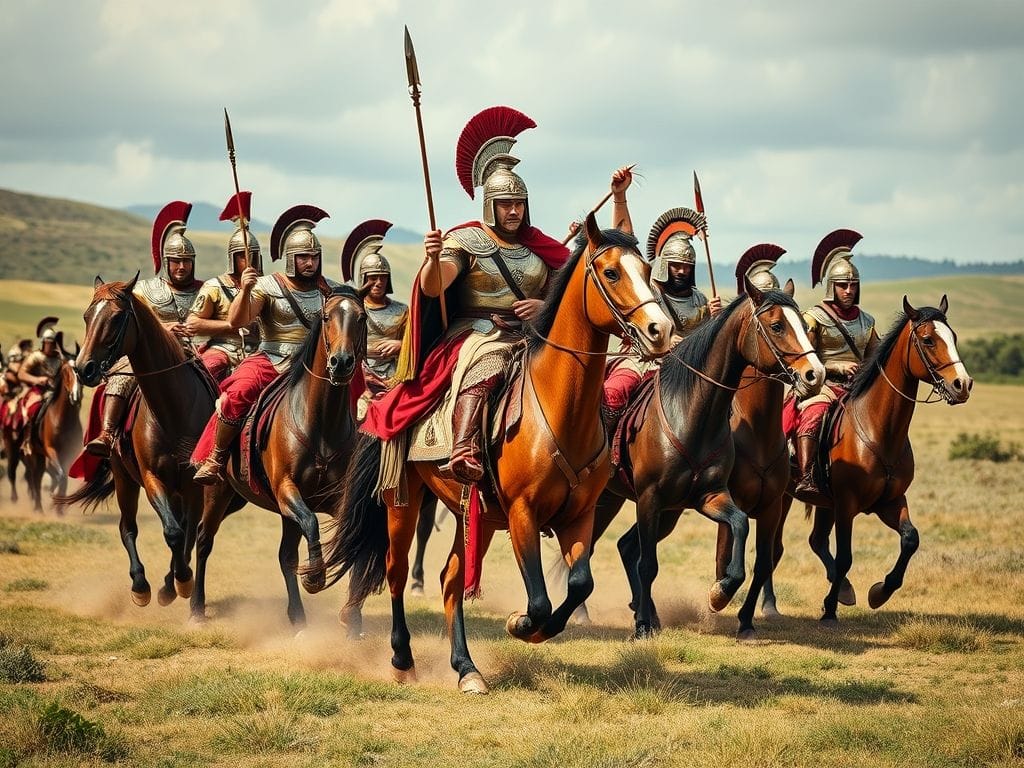
From the 8th century BC, independent Cretan city-states established strong cultural and military ties with various cities in Greece and Egypt. Trade developed on the island, and Cretans became recognized as experts in the sea and maritime routes.
Local ships sailed throughout the Mediterranean, transporting goods from one continent to another. Among the major cities of Crete were Knossos, Gortyn, Phaistos, Lato, Lappa, Itanos, and Lyttos.
Warriors from these cities served the rulers of various countries.
The Roman Period
1 cent BCE – 4 cent CE
In the 1st century BC, the Roman consul Quintilius Metellus landed on Crete and began to capture this island. Despite the fierce resistance of the Union of Cretan Cities, the island was drowned in blood and many cities were destroyed. The capital of the new Roman province “Crete and Cyrenaica” becomes the city of Gortys, lying in the south.
In the 1st century AD, the Apostle Paul, during his journey, stopped in one of the port cities of Crete – Kaloi Limenes. It was here that he appointed his student Titus as the first bishop of Crete.
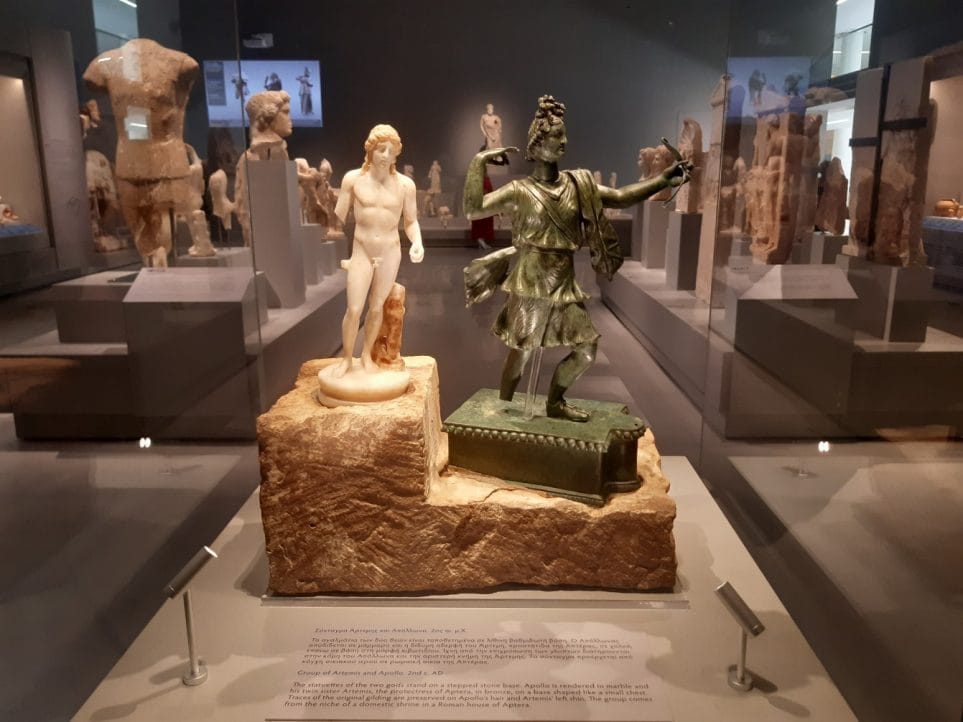
During Roman rule, Crete became an important political, cultural and agricultural center. The main sea caravans from Europe to Africa and Asia pass through Crete.
The 1 Byzantian period.
4 cent CE – 9 cent CE
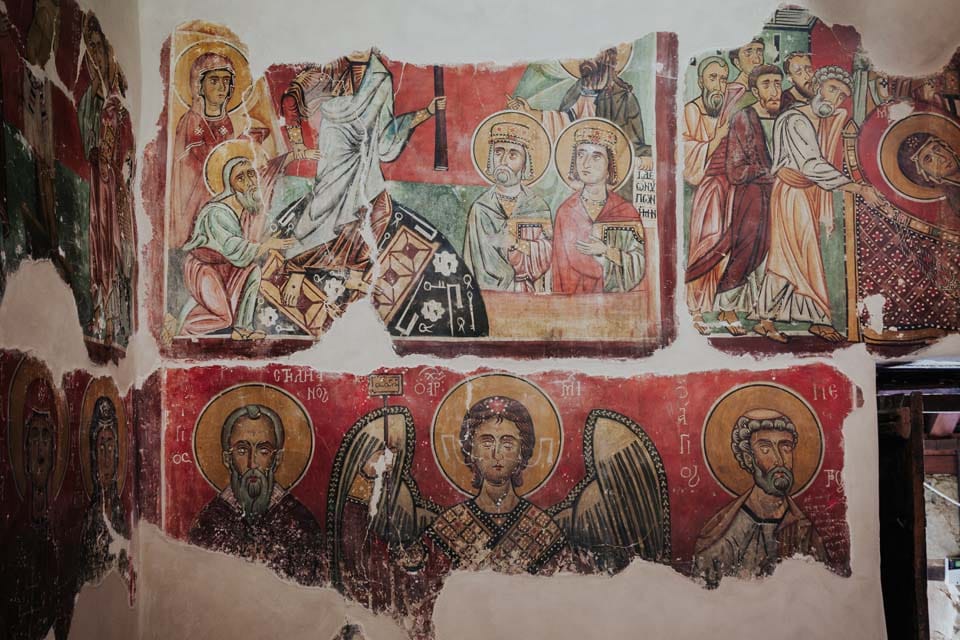
With the division of the Roman Empire into Western and Eastern, Crete became part of the Eastern and then the Byzantine Empire. Many Cretans went to Constantinople and opened their own schools, workshops, and trade. Representatives of 12 noble families of the Byzantine Empire sent their children to Crete and they became local feudal lords. Churches and beautiful public buildings are being built in Crete. Many traders from different countries come here.
Knossos and Gortys remain the main cities of the island. The fertile land of Crete not only provides the inhabitants with food, but also allows them to trade with the inhabitants of the entire Mediterranean.
The Arab invasion.
9 cent CE – 10 cent CE
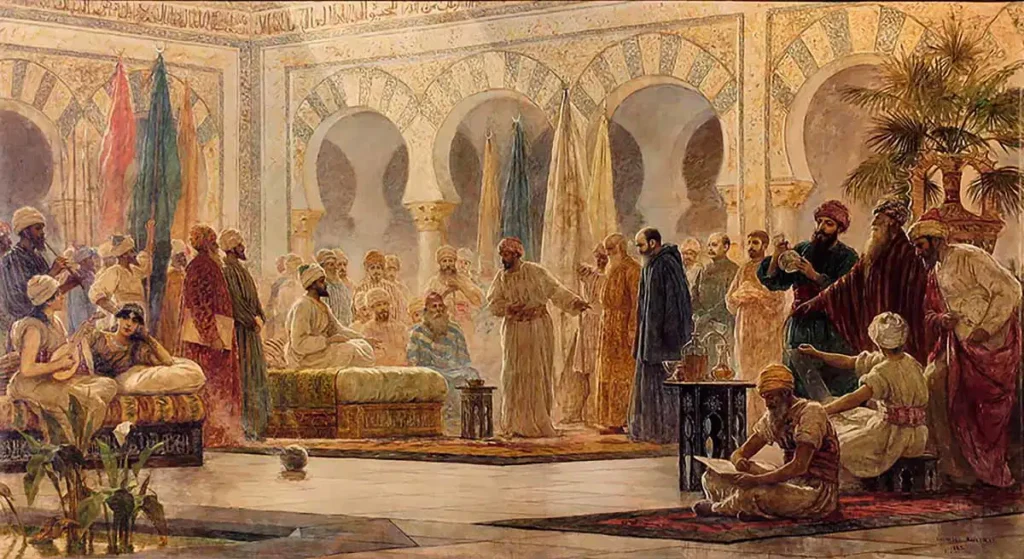
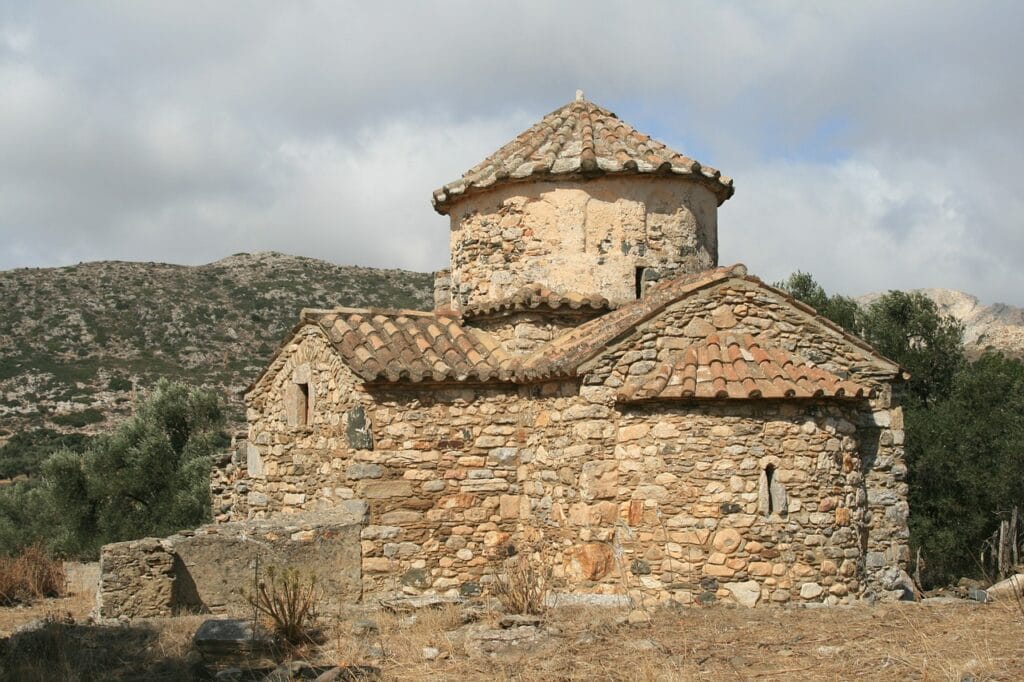
In 9 AD Crete was attacked by Saracen Arabs from the Cordoba Caliphate. Taking advantage of the weakness of the Byzantine Empire, the Arabs captured the entire island. Part of the population was forced to leave Crete, many converted to Islam. The churches were destroyed and only a few churches from that time have survived to this day.
The Arabs established the large city of Rabd el Khandaq (later called as Handakas). The city was surrounded by a fortress wall and immediately became a notorious large slave market, where one could buy a beautiful concubine or a strong slave.
The Arabs of Crete organized the attack and capture of the second largest city of the Byzantine Empire – Thessaloniki. More than 15,000 slaves were brought to Crete and sold to Africa and Asia.
The 2nd Byzantine Period.
10 cent CE – 13 cent CE
After the capture of Thessaloniki by the Arabs, the Byzantine emperor ordered his commander Nikophoros Phocas to liberate Crete.
In 10 AD Nikiforos landed with his troops on Crete and despite fierce resistance, the island was liberated. Many noble Arabs were captured and taken to Constantinople, where most of them were later baptized and became famous officers.
Many Muslims left the island and moved to Africa and Asia.
The construction of fortresses, churches, and monasteries begins in Crete.
The island again plays an important role in the Byzantine Empire.
The Venetian Period.
13cent CE – 17 cent CE
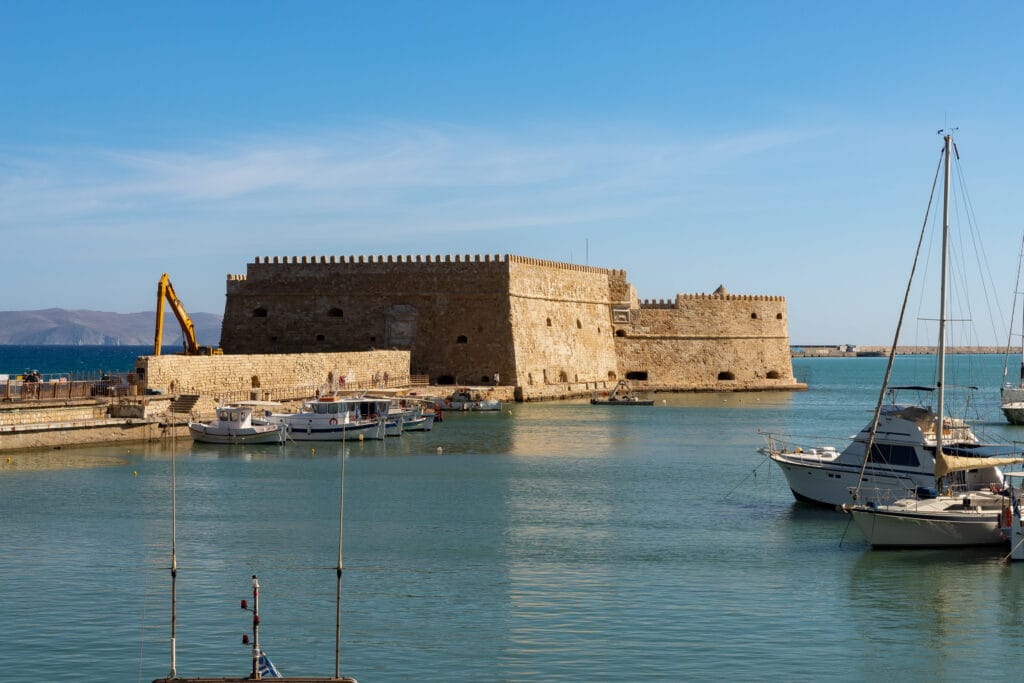
After the Crusaders captured Constantinople during the Fourth Crusade, the Venetians purchased Crete from Boniface, the leader of the Crusade. Members of many noble Venetian families landed on the island. They became feudal lords, built their own castles, imposed high taxes, and demanded that the locals convert to Catholicism. Every 10 to 20 years, the locals would revolt, which were brutally suppressed by the Venetian governor of the island. It was not until the 15th century that life on the island began to improve. Candia, today’s Heraklion, became the capital. The Venetians built fortresses, towns, monasteries, and churches. The island became one of the crown jewels of Venice.
The Ottoman Period
17 cent CE – 19 cent CE
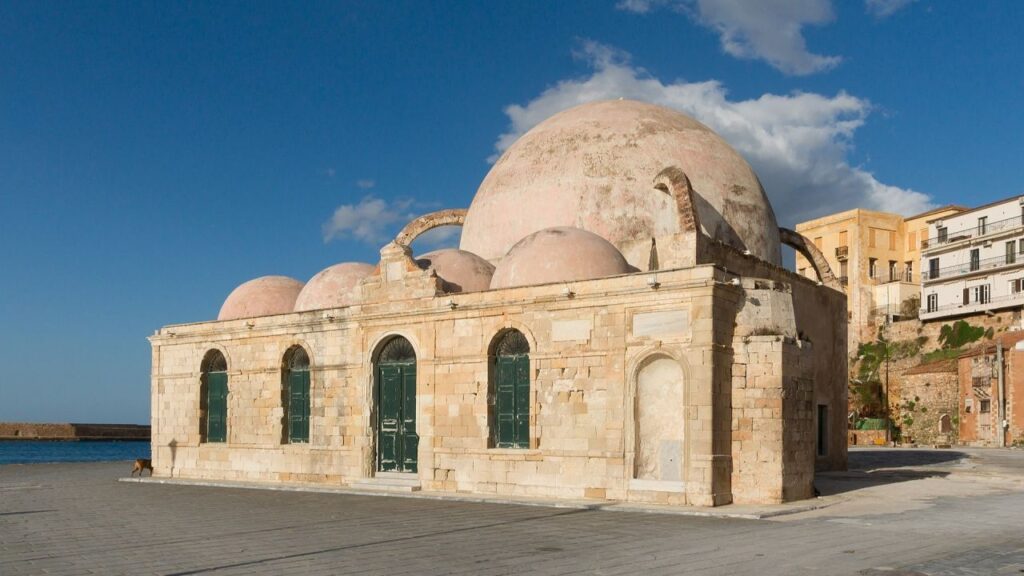
Having captured virtually the entire eastern Mediterranean by the mid-17th century, the Ottomans turned their sights to Crete, the last possession of the Venetian Republic in the east.
In 1646, a massive Ottoman army landed in western Crete, beginning a long and bloody war between the Ottomans and the Venetians.
Many European countries assisted Venice in this war, which lasted 43 years!
Only in 1669 did the Turks manage to capture the city of Handakas (modern-day Heraklion). The Venetians were forced to admit defeat and abandon the island of Crete.
Independent Crete
1898-1913
In the 19th century, the independence movement in Crete intensified. Uprisings against the Turks occurred almost every five to ten years, but were brutally suppressed.
Thanks to the assistance of several European countries, Crete gained independence in 1898 and remained an independent island under the rule of Prince George.
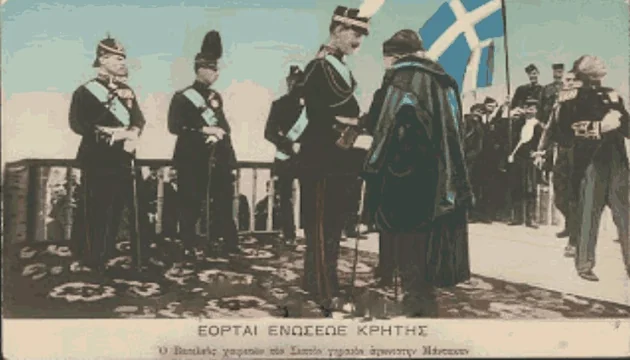
The island joined Greece in 1913.